
Two days, hundreds of conversations, plenty of cookies and one rather interesting debate about the future of search. It’s safe to say BrightonSEO 2026 gave us plenty to talk about!
On 8–9 October, the MRS Digital team headed to the Brighton Centre, joining thousands of fellow marketers for two days of fresh ideas, industry insights and conversations about where search is heading next.
With AI-powered search, evolving consumer behaviour and new approaches to digital marketing firmly on the agenda, there was plenty to get stuck into.
And while we were there to learn from some of the brightest minds in the industry, we couldn’t resist bringing a little MRS personality to the proceedings.
Thank you, BrightonSEO!
First things first, a huge thank you to everyone who stopped by Stand 14!
Whether you came over to discuss the latest developments in search, share your experiences or simply grab a cookie, sticker or t-shirt, it was brilliant meeting so many people over the two days.
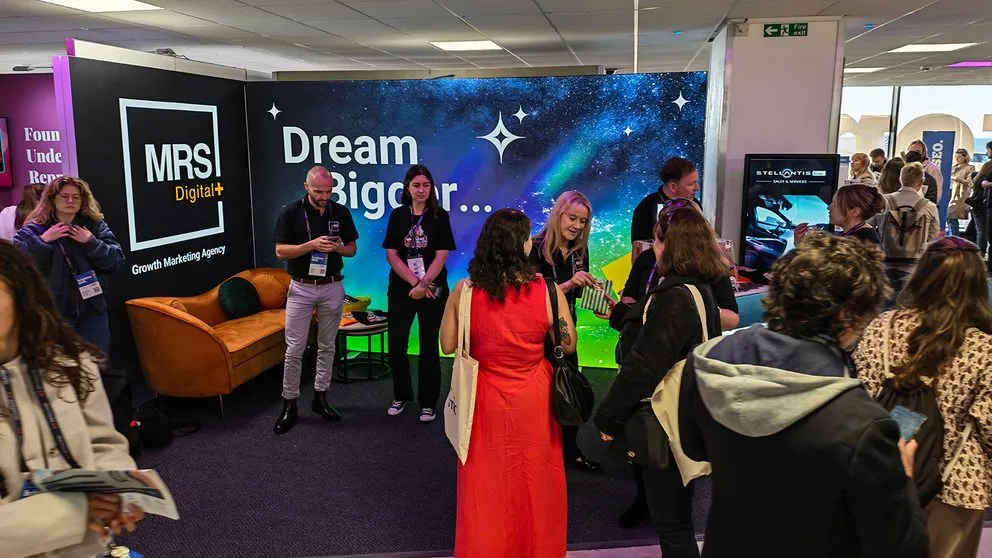
One of the best things about BrightonSEO is the opportunity to step away from the screens and connect with the wider search community.
Between the talks, familiar faces and new connections, it’s a chance to exchange ideas, challenge a few assumptions and get a different perspective on some of the biggest conversations happening across digital marketing.
And with the industry evolving as quickly as it is, there’s arguably never been a better time to get everyone in the same room.
Of course, the real value isn’t just what happens at BrightonSEO. It’s what we take away from those conversations and how we put those ideas into practice.
What we learned at BrightonSEO 2026
With so many talks, discussions and fresh perspectives to explore, BrightonSEO offered plenty of opportunities to challenge our thinking and discover new ways to strengthen the work we do for our clients.
From developments in SEO and AI SEO to fresh approaches to digital PR and content strategy, our team returned with plenty of ideas worth exploring.
But rather than give you a lengthy rundown of every talk and discussion, we thought we’d let our crack team of expert attendees share what stood out to them most.
“What really grabbed me was the new ways to anticipate emerging search trends rather than simply reacting to what people are already searching for. There’s a real opportunity to use these insights to develop more unique, non-commodity content that goes beyond just answering the same questions as everyone else.
I want to explore how we better use entity mapping, structured data and predictive research to identify content opportunities earlier, strengthen topical authority and create strategies that offer something genuinely different. It’s about moving beyond chasing existing search demand and finding new ways to build visibility before the competition catches up.”
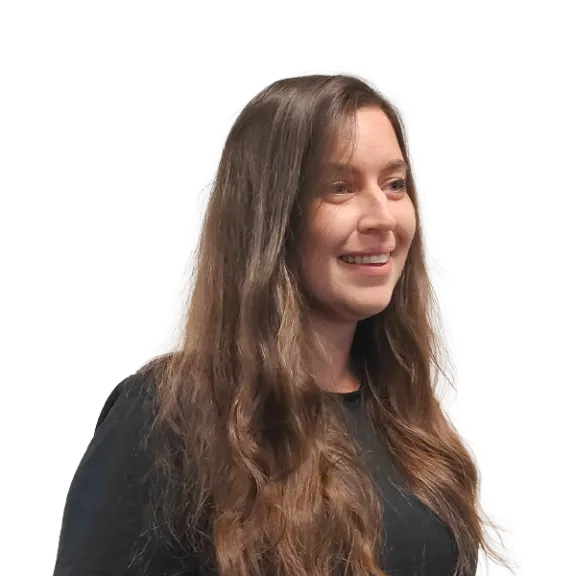
Jade Powter
Head of SEO
“BrightonSEO highlighted just how important authority is becoming in both traditional and AI-powered search. Expert content, digital PR, first-party data and brand mentions all help build the trust signals that search engines and AI platforms are looking for.
There was also a clear shift in how AI is being used, with the focus moving beyond content creation towards automation, workflow efficiency and deeper data analysis. BigQuery came up repeatedly as a way to bring together larger datasets and better understand increasingly complex user journeys.
Another key takeaway was a reminder that AI search isn’t one channel. Platforms like ChatGPT, Gemini and Copilot all behave differently, making it important to monitor visibility across each of them. These are all areas I’ll be exploring to improve reporting and uncover new opportunities for clients.”

Matthew Harfield
SEO Specialist
Creating fresh, interesting research that journalists genuinely want to cover is something we already focus on at MRS Digital, so it was great to see it reinforced in the talks. Product PR was another area that caught my attention, and it’s something I’d love to explore further for clients where there’s a good opportunity.
What was particularly interesting, though, was the growing relationship between digital PR and AI search. Brand mentions are becoming an increasingly important part of online visibility, with one speaker even suggesting they now matter more than followed links in terms of AI visibility.
I’ll be continuing to create newsworthy campaigns that earn meaningful coverage, while looking more closely at how brand mentions and media placements could support their visibility across AI search.

Hannah Cottrell
Digital PR Consultant
Rather than simply using AI to produce more content, there’s a real opportunity to use it to analyse information, uncover patterns and identify insights that can make what we’re creating more relevant and useful.
I loved the being able to better see the relationship between content architecture and technical SEO. How we structure pages, organise information and connect related content can have a significant impact on how easily search engines understand a website.
For our clients, I want to bring those two areas closer together, using AI to support deeper research while making sure our content strategies are backed by stronger technical foundations. The aim is to create content that doesn’t just read well, but is structured to perform.”
There’s certainly plenty to explore, and we’re looking forward to putting some of these ideas to the test.
But alongside the talks and industry discussions, we also had a rather important question of our own.
Well, important might be a stretch. But it certainly got people talking.

Danny Sutton
Senior SEO Content Writer
The burning question we were asking everyone
SEO. GEO. AEO. AI SEO. AIO. AISO.
If you’ve been keeping up with developments in search recently, you’ll have noticed that the industry has developed quite an enthusiasm for acronyms.
With AI changing how people discover information, compare businesses and make decisions, there’s been plenty of debate about what we should actually call the practice of improving visibility across these emerging platforms.
So, armed with cookies, stickers and a healthy dose of curiosity, we decided to put the question to the people who work in the industry every day.
What do we even call it?
Over two days, we asked visitors to our stand to share their thoughts, and 187 of you answered.
Here’s what you told us.
| Term | Votes | Share |
| SEO | 80 | 43% |
| GEO | 36 | 19% |
| AEO | 28 | 15% |
| AI SEO | 9 | 5% |
| AI search | 8 | 4% |
| AIO / AISO | 3 | 2% |
| Something else | 23 | 12% |
SEO came out on top with 43% of the vote, suggesting plenty of marketers are happy sticking with the terminology we’ve known for years.
But there’s a catch.
57% of respondents preferred something else.
Between you, there were 19 different names, ranging from “Search Everywhere Optimisation”, the most popular write-in, to LEO, GSO and SAI.
Apparently, the industry hasn’t quite made up its mind?
And perhaps our favourite finding; Just 5% of respondents voted for “AI SEO”, which happens to be the name on our very own service page.
Not exactly a ringing endorsement of our naming convention, but it does bring us rather neatly to the point we were making in the first place.
So what do we call it?
Honestly, call it whatever you like.
At MRS Digital, we treat SEO and AI SEO as one service because the label matters much less than the result.
What matters is whether ChatGPT, Gemini, Copilot and Google’s AI Overviews recognise our clients, describe them accurately and recommend them when their customers are comparing options.
The way people discover businesses is changing, and while the industry might still be debating the terminology, our focus is firmly on helping clients adapt.
By bringing together established SEO expertise with an understanding of emerging AI-powered search experiences, we’re continuing to explore new ways to strengthen brand visibility, improve discoverability and help our clients reach the audiences that matter.
It’s all part of our approach to AI SEO, where the focus isn’t simply on appearing in AI-generated answers, but understanding how these platforms fit into a wider search strategy.
Because whatever we end up calling it, the objective remains the same: helping the right people find the right businesses.
Want to continue the conversation?
Whether we met at BrightonSEO or you missed us this year, we’d love to hear from you.
We’re already looking at how to turn the ideas and insights from BrightonSEO into meaningful opportunities for our clients, from strengthening brand authority to improving visibility across AI-powered search.
After all, you don’t need to know every acronym to know you want better results.